
How to Choose the Right Boat Trailer for Your Watercraft

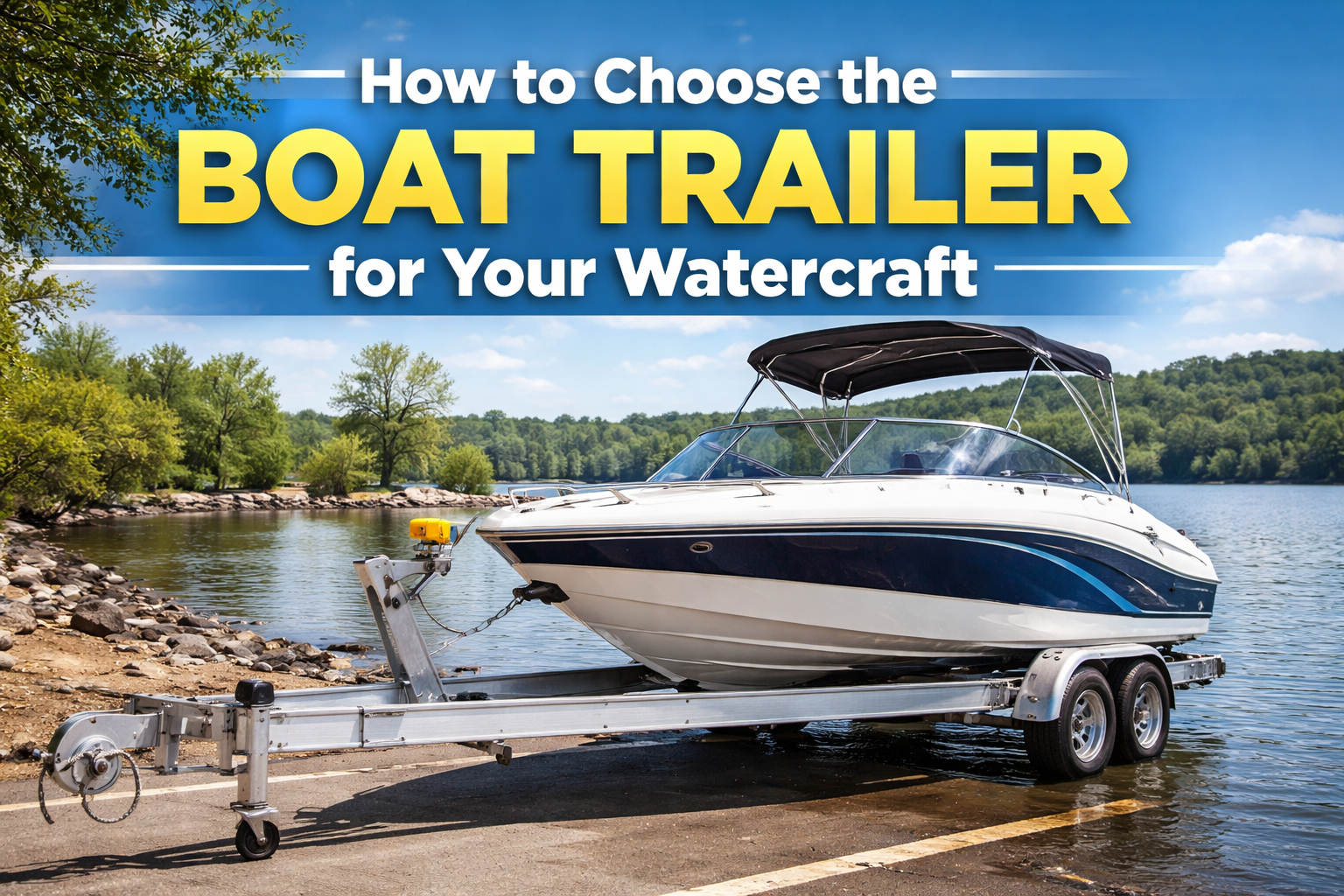
Buying a boat trailer may seem like a secondary decision after purchasing your boat, but it’s equally important. Your trailer is essentially the bridge between your boat and the open water. A trailer that doesn’t fit your boat properly can cause accidents, damage, and a lot of stress. Think of it like wearing shoes that are too small you might get there, but it won’t be comfortable, and you might end up hurting yourself. This boat trailer buying guide will give you a comprehensive understanding of everything from how to choose a boat trailer to finding affordable boat trailers online. By the end, you’ll be confident in selecting the best boat trailer for your boat.
Understanding Why the Right Trailer Matters
The right trailer is crucial because it directly affects the safety, convenience, and lifespan of your boat. A mismatched trailer can lead to uneven weight distribution, which causes swaying on highways and puts strain on your vehicle. Over time, it can also damage your boat’s hull, gel coat, and even the engine. By choosing the correct trailer, you ensure smooth transportation, easier launching and retrieval, and minimal stress during trips. Think of it as giving your boat a strong foundation, it makes every outing more enjoyable and worry-free.
Boat Trailer Types Explained
Understanding the different types of trailers will help you select the one best suited to your boating needs.
Bunk Trailers
Bunk trailers have long wooden or metal beams covered in carpet to cradle the boat’s hull. They distribute weight evenly and offer excellent support, especially for long trips. They’re easy to maintain, affordable, and work well with most recreational boats. If you’re a beginner or prefer simplicity, this is often the safest choice.
Roller Trailers
Roller trailers use multiple rollers to support the boat. They allow boats to roll smoothly on and off the trailer, which is particularly useful at shallow ramps or when solo launching. However, rollers have more moving parts that require regular maintenance, and the initial cost is higher compared to bunk trailers.
Float-On Trailers
Float-on trailers allow the boat to float directly onto the trailer. They make launching easy, especially for larger vessels, and reduce the manual effort required. Float-on trailers are ideal for frequent boaters who want convenience and speed.
How to Choose a Boat Trailer Based on Boat Size
When learning how to choose a boat trailer, your boat’s size and shape are the first things to consider. Measure your boat’s length, width, and hull design, and consider the total weight, including engine, fuel, and gear. A trailer that is too small can cause instability or hull damage, while an oversized trailer may be unnecessarily expensive and harder to tow. Always aim for a trailer that closely matches your boat’s dimensions while allowing a bit of margin for safety.
Boat Trailer Size Guide
A boat trailer size guide is essential for choosing the right trailer.
- Small boats (12–16 ft): Single-axle trailers are usually sufficient. They are lightweight, easy to tow, and cost-effective.
- Medium boats (17–22 ft): These boats benefit from stronger trailers, sometimes with tandem axles for extra stability.
- Large boats (23 ft+): Heavy-duty trailers with dual or triple axles are necessary for stability and safety.
Choosing the correct size improves towing stability.
Weight Capacity and Load Considerations
When it comes to choosing the right boat trailer, weight capacity and load considerations are among the most critical factors to think about. Your trailer must be able to safely support not just the boat itself, but also the engine, fuel, gear, and any additional equipment you plan to carry. Exceeding the trailer’s weight limit can lead to dangerous situations, including tire blowouts, axle failure, or instability while towing, which increases the risk of accidents on the road.
A good rule of thumb is to select a trailer with a weight capacity at least 10–20% higher than your boat’s fully loaded weight. This extra margin ensures that the trailer can handle unexpected loads, rough roads, and long trips without putting undue stress on its structure. Additionally, considering weight distribution is crucial: properly balanced weight across the trailer helps prevent swaying and provides smoother towing, making your journey safer and more comfortable. By carefully evaluating these factors, you not only protect your investment but also ensure peace of mind every time you hit the water.
Single Axle vs Tandem Axle Trailers
Single Axle Trailers
Single-axle trailers are lighter, cheaper, and easier to maneuver. They are ideal for small boats and short trips. Maintenance is simpler because there’s only one set of wheels, making it a practical choice for casual boaters.
Tandem Axle Trailers
Tandem axle trailers have two axles, which provide superior weight distribution and stability. They are better suited for large boats, long trips, and frequent towing. While more expensive and requiring slightly more maintenance, they offer a smoother ride and enhanced safety, especially on highways.
Material: Aluminum vs Steel Trailers
The trailer’s material significantly impacts durability, maintenance, and cost.
Aluminum Trailers
Aluminum trailers are lightweight, strong, and highly resistant to rust, making them ideal for saltwater environments. They are low-maintenance but usually come with a higher upfront cost. Aluminum also reduces the overall towing weight, making it easier on your vehicle.
Steel Trailers
Steel trailers are extremely strong and generally more affordable than aluminum. However, they are prone to rust, particularly in saltwater conditions, so regular maintenance is critical. They work best in freshwater environments and for boat owners on a tighter budget.
Trailer Suspension and Tires
Suspension systems help absorb road shocks and protect your boat during transit. Common options include leaf spring suspension (durable and cost-effective) and torsion suspension (provides smoother rides). Proper trailer tires are also essential. Trailer-specific tires are designed to handle heavy loads and prevent blowouts. Always inspect tires for wear and ensure proper inflation before each trip.
Budgeting: Affordable Boat Trailers vs Premium Options
Choosing between affordable boat trailers and premium options requires evaluating your usage and priorities. Budget trailers are often sufficient for casual boating or small boats, while premium trailers provide better durability, advanced features, and longer lifespan. Instead of focusing solely on the best boat trailer price, consider long-term reliability, maintenance costs, and safety features.
Where to Find Boat Trailers for Sale
You can find boat trailers for sale at local dealerships, marine supply stores, and online marketplaces. Local dealers allow for physical inspection and expert advice, while online platforms offer more variety and competitive pricing. Always compare prices, reviews, and features across multiple sources before making a decision.
Should You Buy Boat Trailer Online?
Buying online has become increasingly popular. The main advantages are variety, convenience, and sometimes better pricing. However, you cannot physically inspect the trailer, which may be risky. To safely buy a boat trailer online, choose reputable sellers, read customer reviews, and verify shipping and warranty policies. Many buyers successfully find the right trailer online when cautious.
Heavy Duty Boat Trailers for Sale: When Do You Need Them?
If you own a large or heavy boat, a standard trailer may not suffice. Heavy duty boat trailers for sale are designed for boats over 3,000 lbs or for frequent long-distance towing. They have reinforced frames, stronger axles, and advanced suspension to handle additional stress. Investing in a heavy-duty trailer ensures safety, stability, and peace of mind during transport.
Maintenance Tips for Long-Term Use
Proper maintenance is critical to prolong the life of your trailer. Regular tasks include checking tire pressure, inspecting brakes, lubricating moving parts, and cleaning the trailer after saltwater exposure to prevent rust. Routine maintenance ensures that your trailer remains reliable, protects your boat, and avoids costly repairs in the future.
Common Mistakes to Avoid When Buying
Many buyers make mistakes that lead to long-term problems. These include choosing the wrong size, ignoring weight capacity, focusing solely on price, skipping safety features, or buying from unreliable sources. Avoiding these mistakes ensures you select a trailer that is safe, durable, and tailored to your specific boat.
Conclusion
Choosing the right trailer is as important as choosing the boat itself. This boat trailer buying guide has covered all the essentials: trailer types, materials, axles, size, weight capacity, and maintenance. By carefully evaluating your boat, towing needs, and budget, you can confidently select the best boat trailer for your boat, ensuring smooth, safe, and stress-free trips every time.
FAQs
1. What size boat trailer should I choose?
Select a trailer that matches your boat’s size and weight, with a margin for safety.
2. Are roller trailers better than bunk trailers?
Roller trailers make launching easier, while bunk trailers offer better support and require less maintenance.
3. Is it safe to buy a boat trailer online?
Yes, but only from trusted sellers with verified reviews and clear product specifications.
4. Do I need brakes on my boat trailer?
Brakes are recommended for larger boats and are legally required in many regions.
5. How can I find the best boat trailer price?
Compare multiple sellers, consider features, and focus on long-term value rather than just cost.